Performing Arts
Sri Lanka's classical dance and drama traditions have roots in royal courts and Buddhist ceremonies.
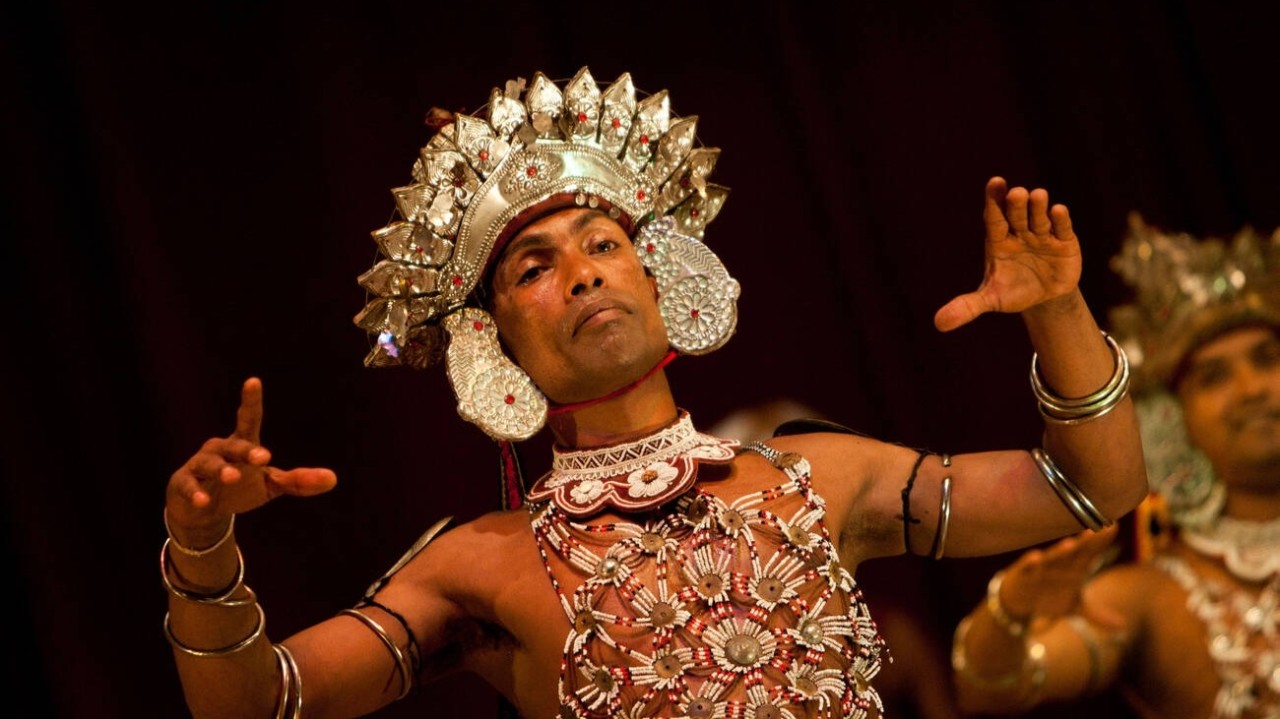
Kandyan Dance
The most refined of Sri Lanka's classical dance forms, performed with ornate headdresses and vigorous footwork. Inscribed on UNESCO's Intangible Cultural Heritage list in 2016.
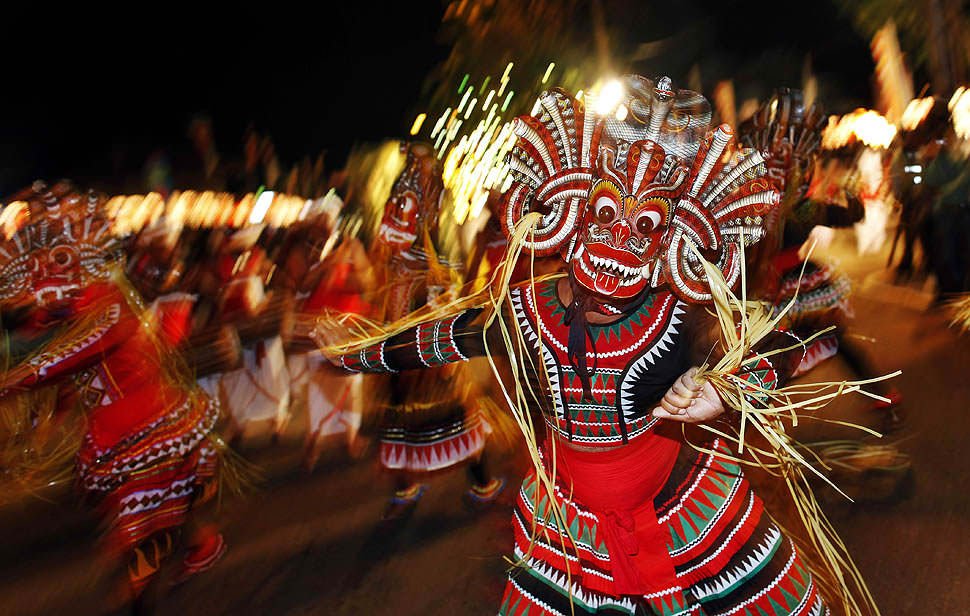
Low Country Dance
An exorcism-ritual dance tradition from the southwestern coastal plains, featuring elaborate devil masks and healing ceremonies that blend pre-Buddhist and Buddhist elements.
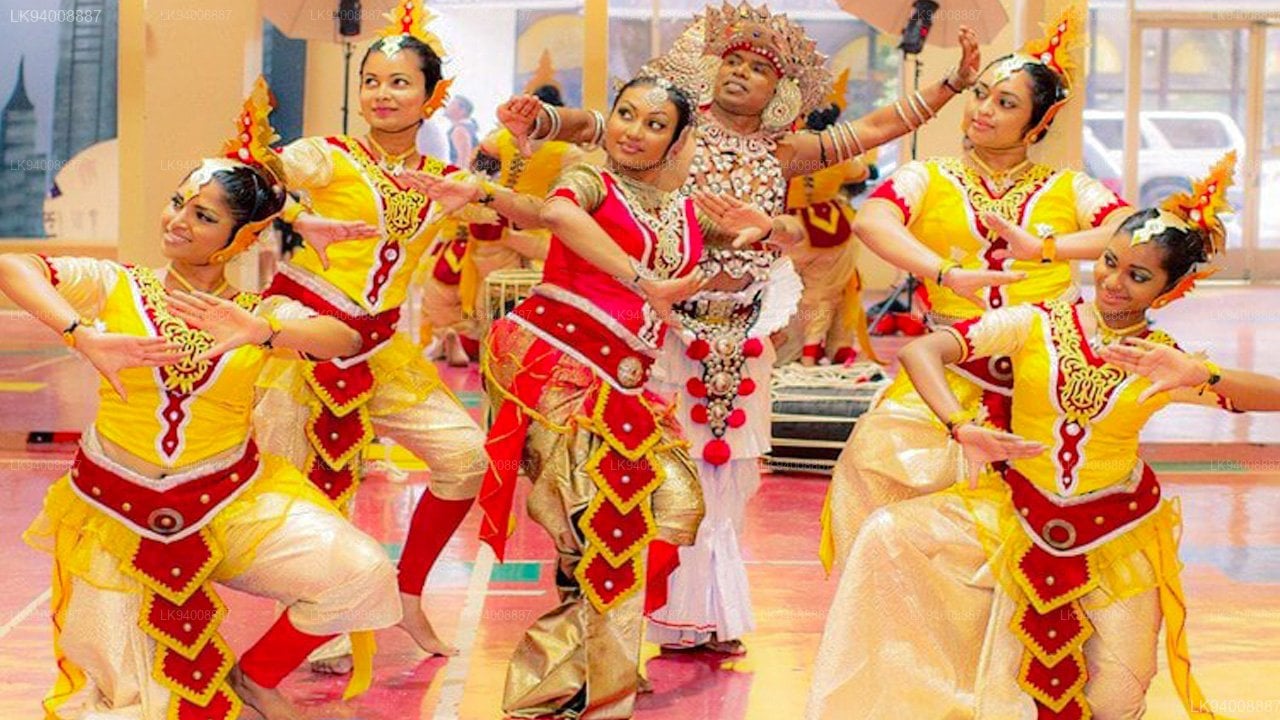
Sabaragamuwa Dance
A dance tradition from the Sabaragamuwa province, believed to be the oldest form of Sri Lankan dance, performed as offerings to deities at shrines.
Festivals & Celebrations
Sri Lanka's calendar overflows with festivals observed by its Buddhist, Hindu, Muslim, and Christian communities.
Vesak
May (Full Moon)The most important Buddhist festival, marking the birth, enlightenment, and passing of the Buddha. Streets and homes are adorned with paper lanterns and illuminated pandals.
Esala Perahera
July–AugustKandy's great procession in honour of the Sacred Tooth Relic — ten nights of elaborately costumed elephants, drummers, dancers, and fire performers.
Sinhala & Tamil New Year
April 13–14The national new year for both Sinhalese and Tamil communities, marked by oil baths, aluth sahal (new rice), kite-flying, and traditional games.
Deepawali
October–NovemberThe Hindu Festival of Lights celebrated across Sri Lanka, symbolising the triumph of light over darkness with oil lamps and fireworks.
Poson
June (Full Moon)Celebrates the introduction of Buddhism to Sri Lanka by Mahinda in the 3rd century BCE. Mihintale, the sacred hill, draws hundreds of thousands of pilgrims.
Eid al-Fitr
Varies (Islamic calendar)Celebrated by Sri Lanka's Muslim community to mark the end of Ramadan with prayers, family gatherings, and feasts of traditional dishes.
Traditional Crafts & Craftsmanship
Generations of artisans have refined these crafts into highly specialised traditions, many unique to Sri Lanka.
Batik
A wax-resist dyeing technique producing vibrant patterned fabrics. Sri Lankan batik is distinguished by its rich colours and flowing motifs drawn from nature and mythology.
Lacquerwork
Intricate decorative objects coated in lacquer and carved with fine patterns. Kandy is the centre of this tradition, producing furniture, spindles, and ornamental pieces.
Brasswork
The casting and engraving of brass objects — lamps, trays, and figurines — with distinctive Buddhist and Hindu iconography, centred in Kandy and Colombo.
Dumbara Weaving
Hand-woven mats and cloth from Dumbara in Kandy District, using geometric patterns passed down through family lineages for centuries.
Mask Carving
Ceremonial masks used in Low Country devil dances, each representing specific demons. Carved from kaduru wood and brightly painted, they are both ritual objects and art.
Pottery
Earthenware pottery has been produced in Sri Lanka since prehistoric times. The traditional reddish-brown clay pots of Kelaniya remain in daily use across the island.
Culinary Heritage
Sri Lankan cuisine is an inseparable part of its cultural identity — shaped by spice trade, religion, and centuries of cultural exchange.
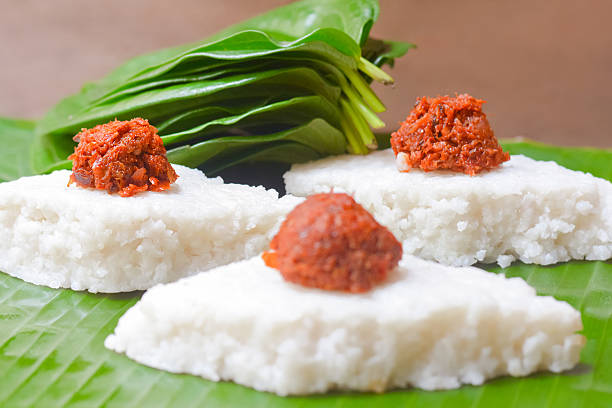
Rice & Curry
The cornerstone of Sri Lankan food — steamed rice served with an array of vegetable, fish, and meat curries, chutneys, and sambols.
Hoppers (Appam)
Bowl-shaped rice-flour pancakes, crispy at the edges and soft at the centre, served with egg or sweet coconut milk.
Kottu Roti
Chopped flat bread stir-fried on a hot griddle with vegetables, egg, and your choice of meat — a beloved street food.
Pol Sambol
A fresh coconut relish with red chilli, lime juice, and Maldive fish — an essential accompaniment to almost every Sri Lankan meal.