UNESCO World Heritage Sites
Sri Lanka's eight UNESCO-designated sites span ancient cities, sacred temples, and living landscapes.
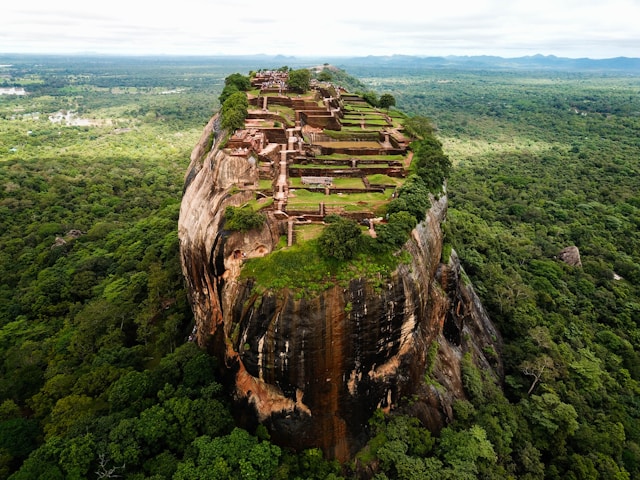
Sigiriya
The 5th-century Lion Rock fortress with its frescoes, mirror wall, and sky-palace built by King Kashyapa.
UNESCO inscribed 1982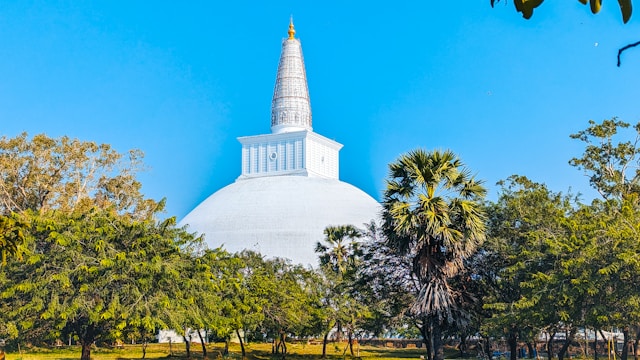
Ancient City of Anuradhapura
Sri Lanka's first ancient capital with colossal dagobas, sacred Bo tree, and monastic complexes.
UNESCO inscribed 1982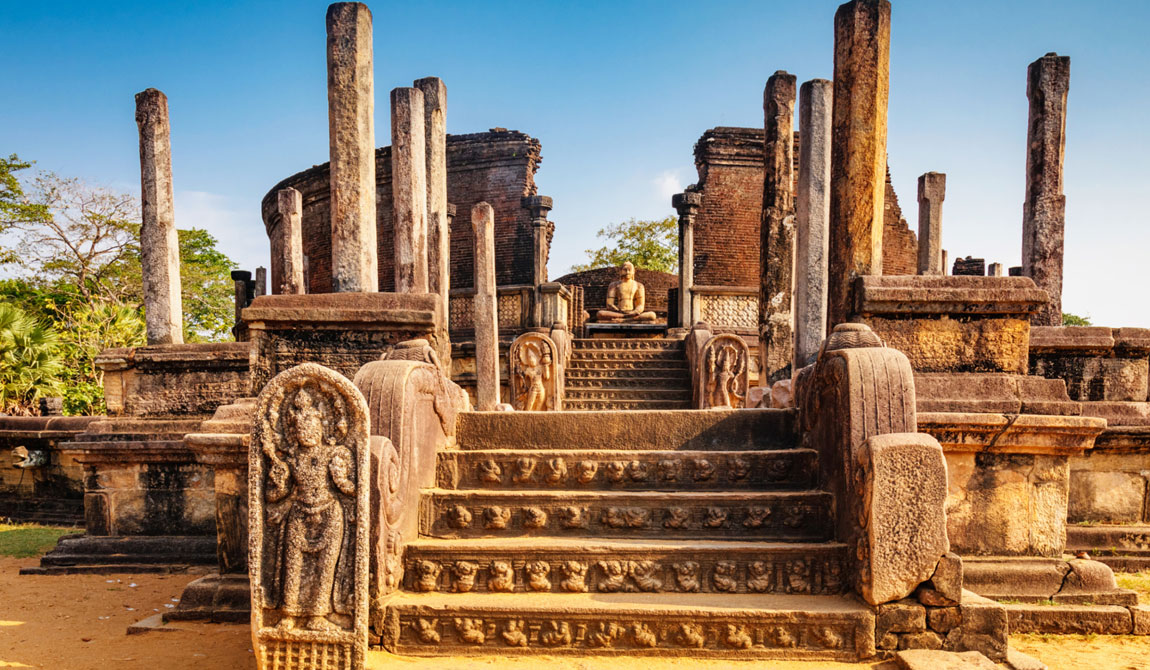
Ancient City of Polonnaruwa
The medieval capital with well-preserved royal gardens, temples, and the famous Gal Vihara rock sculptures.
UNESCO inscribed 1982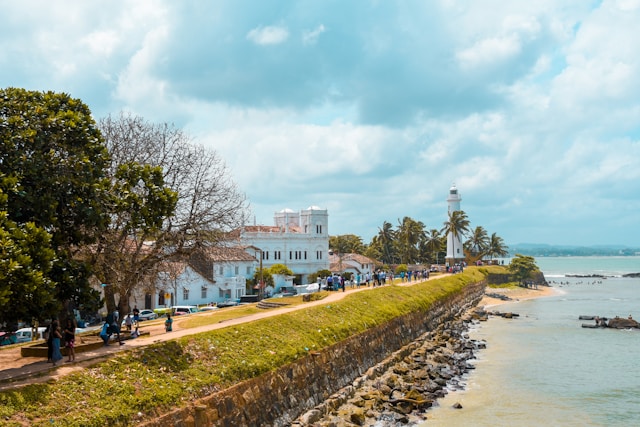
Old Town of Galle
A 16th-century Portuguese fort town reinforced by the Dutch, today a vibrant living heritage township.
UNESCO inscribed 1988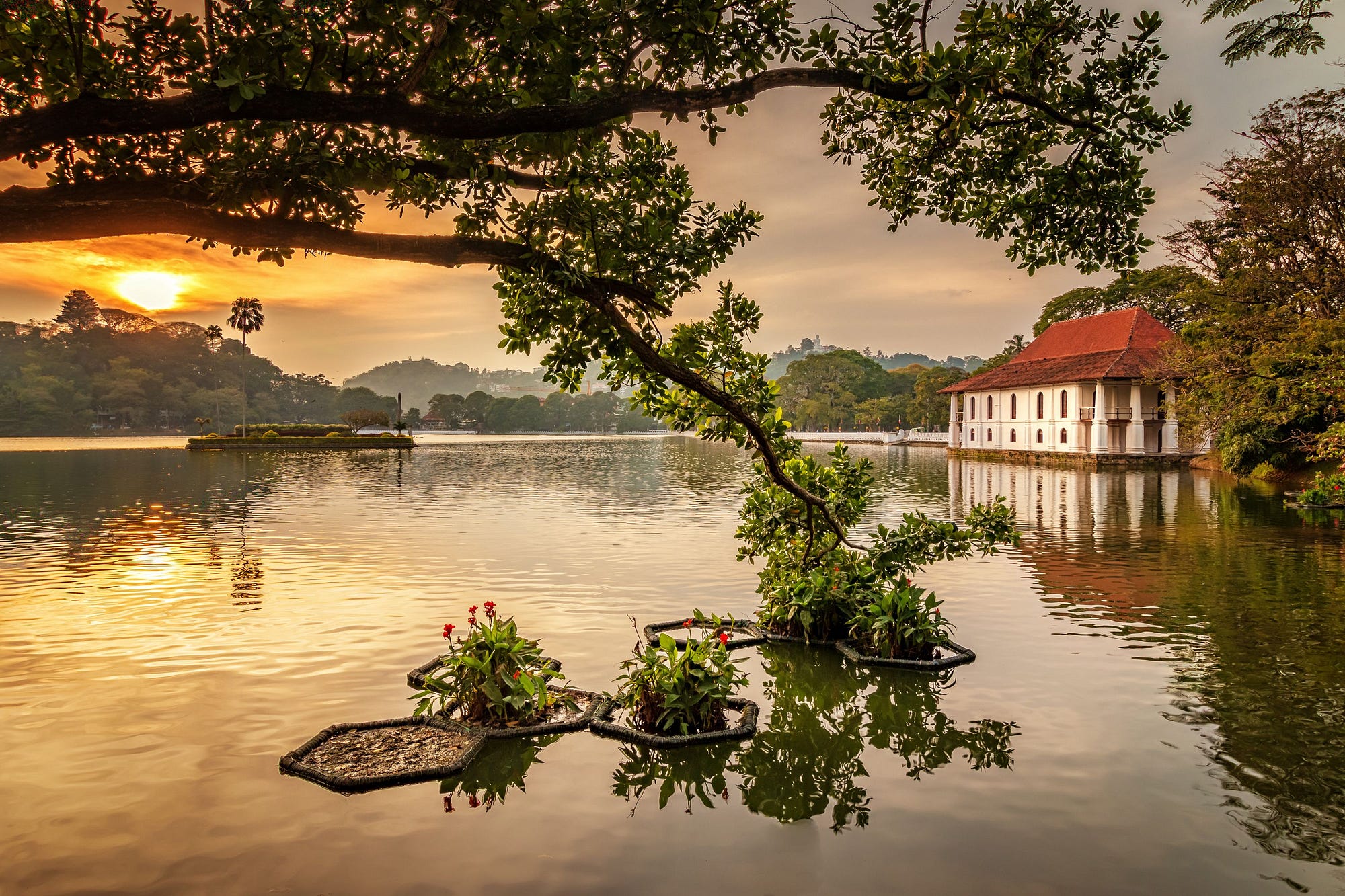
Sacred City of Kandy
The last royal capital and home of the Temple of the Tooth Relic, still a major pilgrimage destination.
UNESCO inscribed 1988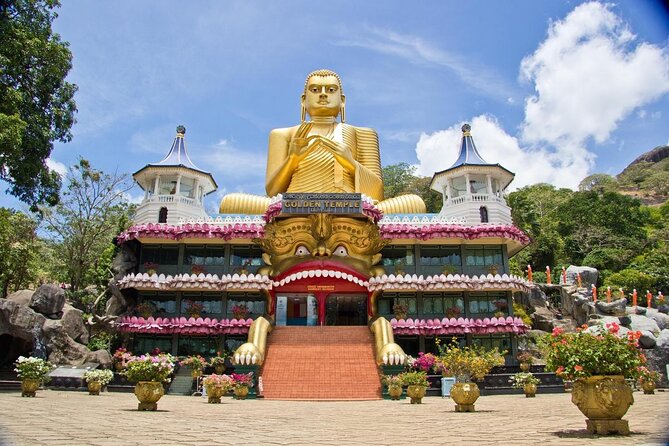
Golden Temple of Dambulla
A cave temple complex housing 153 Buddha statues and 1,500 sq m of exquisite cave paintings.
UNESCO inscribed 1991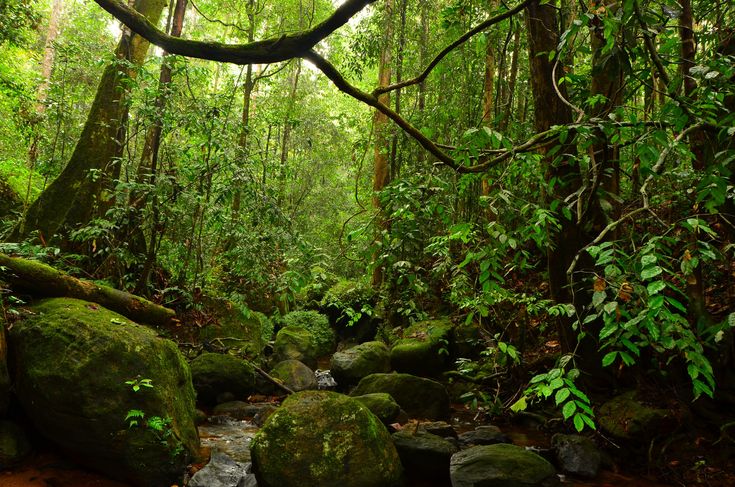
Sinharaja Forest Reserve
Sri Lanka's last viable area of primary tropical rainforest, with extraordinary endemic biodiversity.
UNESCO inscribed 1988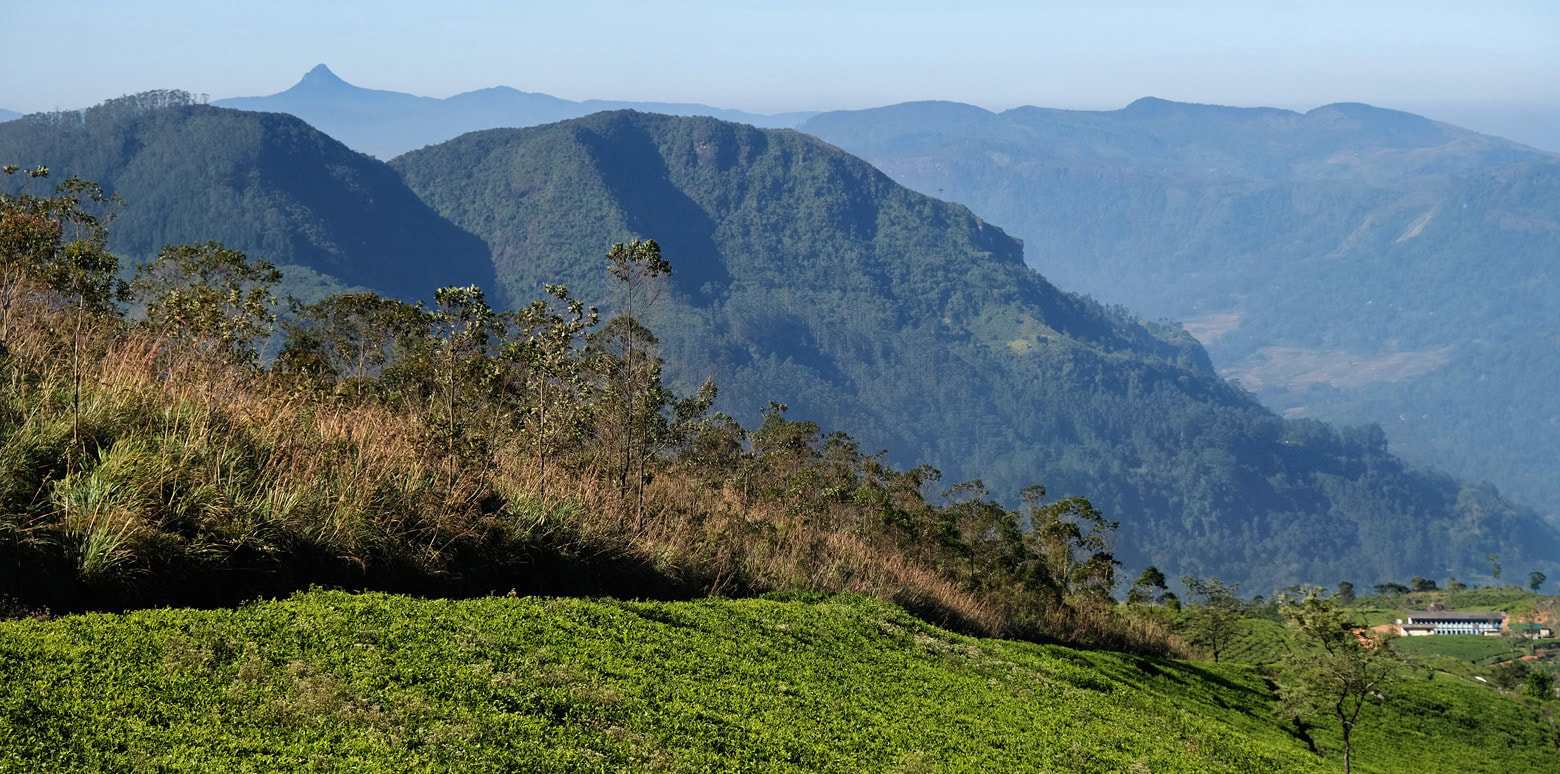
Central Highlands
Comprising Knuckles, Horton Plains, and Peak Wilderness — a mosaic of cloud forest and montane grassland.
UNESCO inscribed 2010The Ancient Capitals
A timeline of Sri Lanka's ancient royal capitals, each leaving an indelible mark on the landscape.
Anuradhapura Founded
King Pandukabhaya establishes the first capital. It would rule for over a millennium, giving rise to massive dagobas and the island's first hydraulic civilisation.
Arrival of Buddhism
Mahinda, son of Emperor Ashoka, brings Buddhism to Sri Lanka, transforming Anuradhapura into a sacred Buddhist city revered across Asia.
Capital Moves to Polonnaruwa
After Chola invasions, the capital shifts east to Polonnaruwa, which flourishes under King Parakramabahu I into a great medieval city.
The Kingdom of Dambadeniya
Following further invasions, the capital shifts repeatedly — Dambadeniya, Yapahuwa, Kurunegala — as kings sought safety inland.
Kandy — The Last Kingdom
The Kingdom of Kandy emerges as the final sovereign Sinhalese kingdom, resisting European powers for over three centuries until 1815.
Colonial Forts & Ports
Portugal, the Netherlands, and Britain each left their architectural mark on Sri Lanka's coastline.
Galle Fort
Portuguese / Dutch, 1588The best-preserved colonial sea fortress in South Asia, blending European bastions with a living Asian township.
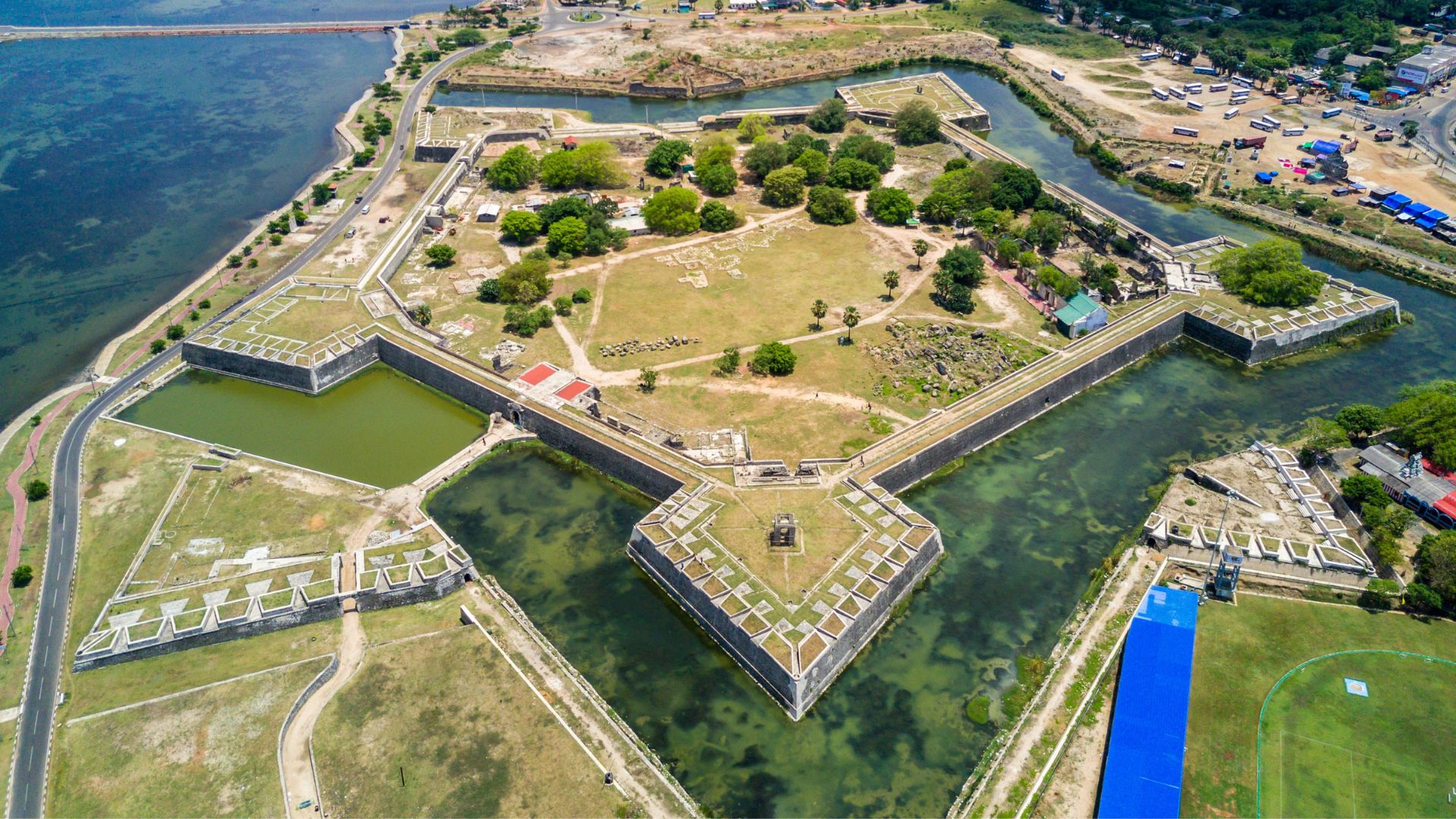
Jaffna Fort
Portuguese / Dutch, 1618A large star fort guarding the northern peninsula, rebuilt by the Dutch with a distinctive pentagonal plan.
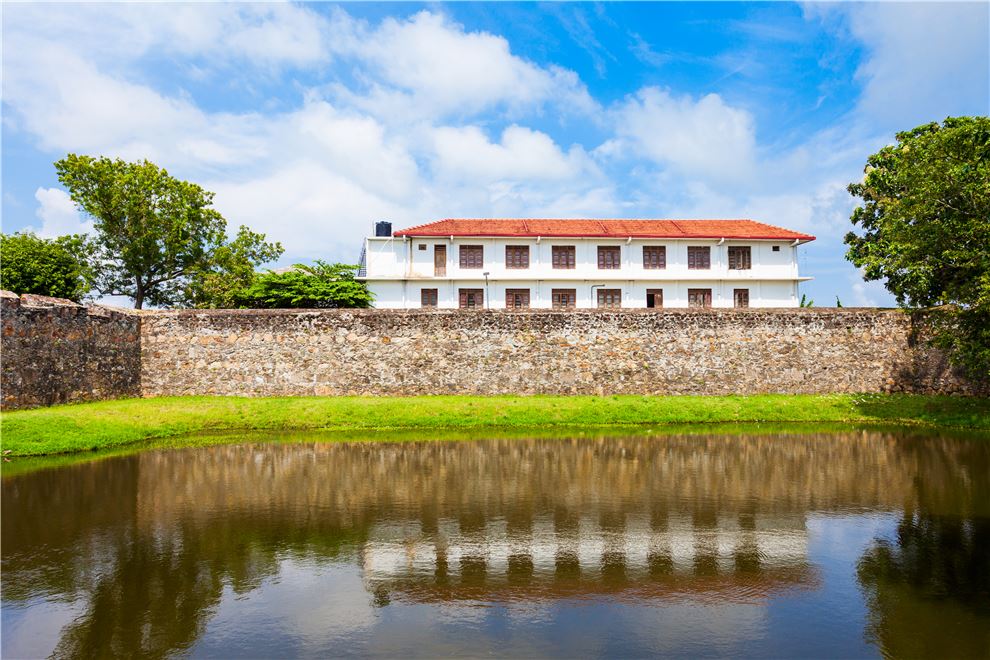
Batticaloa Fort
Portuguese / Dutch, 1628A compact fort on the eastern lagoon, built by the Portuguese and later occupied by the Dutch and British.