Islam arrived in Sri Lanka not through conquest but through commerce. Arab Muslim traders — among the great maritime merchants of the medieval world — began settling Sri Lanka's coastal ports as early as the 8th or 9th century CE, drawn by the island's position on the trade routes linking the Middle East to Southeast Asia and China.
Their descendants, known as Sri Lankan Moors or Yonas in the old chronicles, became the island's third largest community. Distinct from the Indian Muslim community who arrived during the colonial and post-colonial periods, the Sri Lankan Moors developed their own identity: Tamil-speaking in large part (Tamil being the primary trade language of the southern Indian Ocean world), but Muslim in faith, with their own legal traditions, dress customs, architectural styles and food culture.
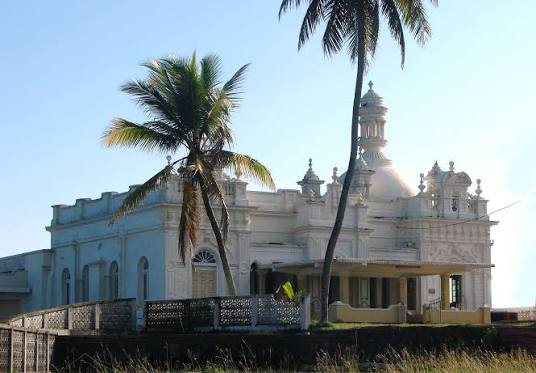
Mosques punctuate Sri Lankan towns and cities in ways that often surprise first-time visitors who associate the island primarily with Buddhism. The Grand Mosque in Colombo's Pettah district, the Kechimalai Mosque in Beruwala (considered the oldest mosque in Sri Lanka, traditionally associated with the first Arab settlers), and the mosques and dhargahs along the eastern coast around Ampara and Kalmunai all testify to a long, continuous Muslim presence.
Sri Lankan Moor cuisine is distinctive and delicious — biriyani, kotthu variations, rich meat curries, and the watalappam, a coconut and jaggery custard of possible Malay origin that has become beloved across the island regardless of religion.
Like every community on the island, Sri Lankan Muslims navigated the 20th century's ethnic tensions and the civil conflict period in complex ways. Today they form an integral, long-established part of Sri Lanka's social fabric — eight centuries of island life have produced a community that is genuinely and distinctively Sri Lankan in ways no recent arrival could claim.