Deepavali — the festival of lights, known in some traditions as Diwali — falls in October or November and is one of Sri Lanka's national public holidays, formally recognised in a country that is majority Sinhalese Buddhist as an important celebration for its Tamil Hindu community.
The festival commemorates, in the most widely observed South Indian tradition, the triumph of light over darkness and good over evil — often associated with the return of Lord Rama from exile and his defeat of the demon king Ravana. Sri Lanka's own connection to the Ramayana is notable: the island is traditionally identified as the Lanka of the epic, and sites connected to the story are points of Hindu pilgrimage here.
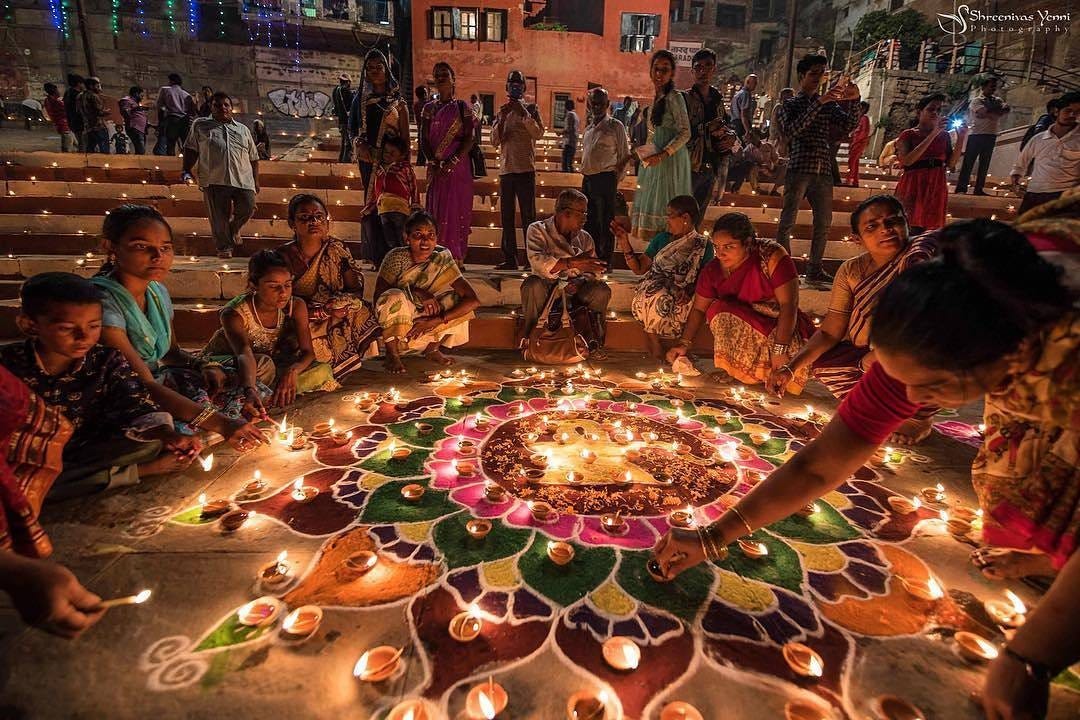
Sri Lankan Tamil families mark Deepavali by cleaning and decorating the home, drawing intricate kolam (rangoli) patterns at the entrance with coloured rice powder, and lighting rows of small clay oil lamps — vilakku — along windowsills, steps and doorways as darkness falls. The smells of sesame oil and warm wax, the glow of hundreds of small flames against a dark street, and the sound of firecrackers from neighbouring houses compose the festival's sensory signature.
Traditional sweets are made and shared: murukku, ladoo, halwa, athirasam and nei urundai circulate between households as gifts. New clothes are worn, elders are visited, and families eat together.
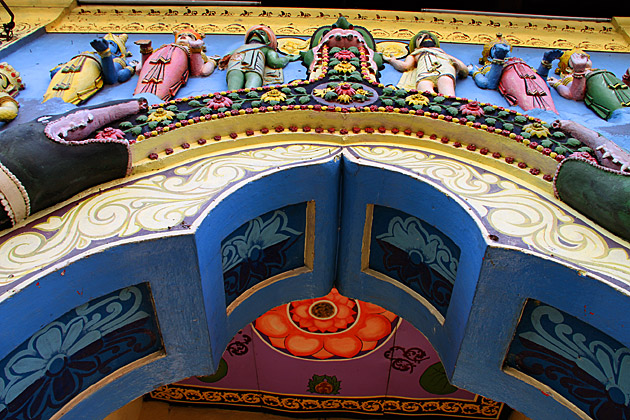
In Colombo and Jaffna, the festival is highly visible, with shops in Tamil-majority areas lit up elaborately and temples conducting special puja rituals. For visitors in Sri Lanka during October or November, spending the evening walking through a Tamil neighbourhood as the lamps are lit is one of the island's more quietly beautiful experiences.