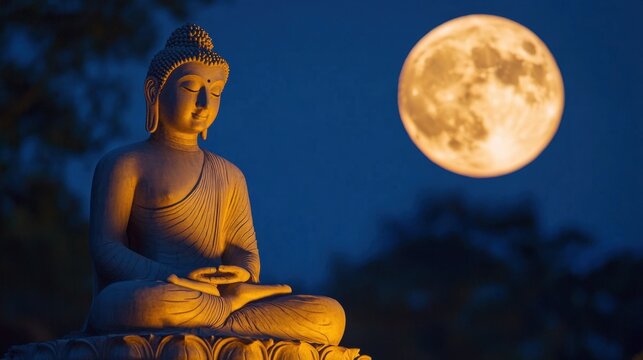
Sri Lanka is one of the few countries in the world where public holidays are set by the lunar calendar rather than a fixed date. Every full moon is a poya day — a public holiday on which alcohol cannot be sold, many businesses voluntarily close early, and the island's Buddhist population turns toward its temples in numbers that dwarf ordinary weekday worship.
There are twelve or thirteen poya days a year, each with its own name and religious significance. The most important are Vesak (May), which marks the birth, enlightenment and death of the Buddha; Poson (June), commemorating Buddhism's arrival on the island; Esala (July/August), associated with the Buddha's first sermon and the Kandy festival; and Unduvap (December), marking the arrival of the sacred Bodhi branch from India.
For travellers, poya days have a practical impact worth knowing: licensed restaurants and hotel bars are legally required to stop serving alcohol, and supermarkets cover or tape off their liquor shelves. Plan accordingly, or simply do as most visitors do and use the day as a prompt to visit a temple, where the atmosphere on a full moon night is considerably more alive and devotional than on an ordinary day.
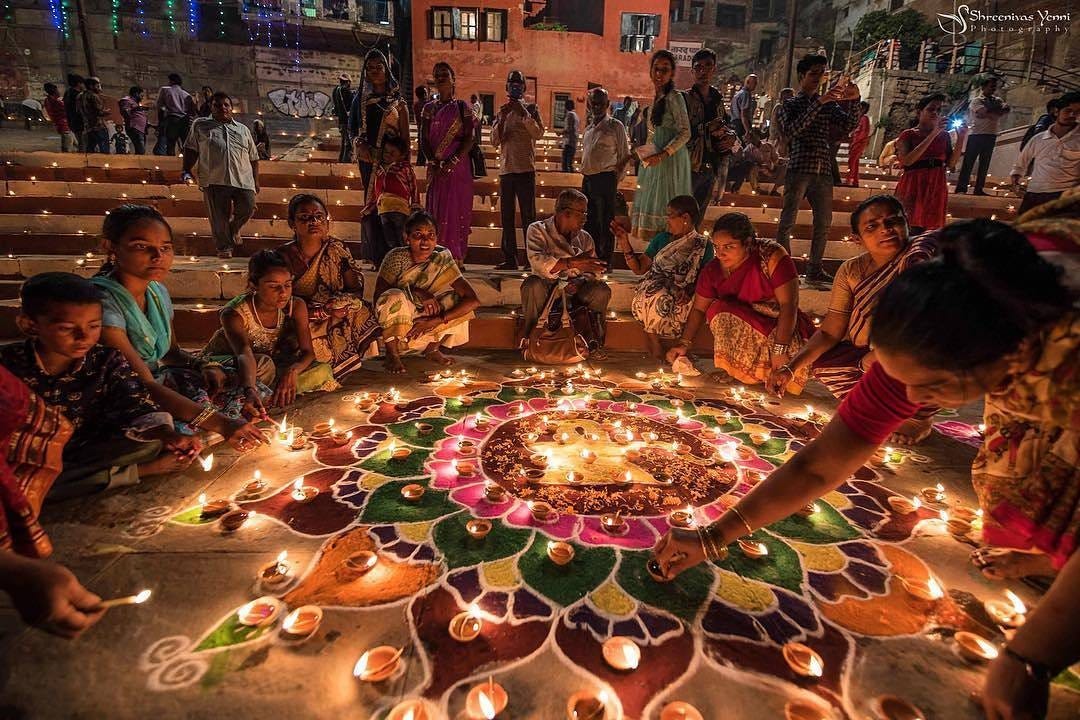
The deeper significance is cultural as much as religious. Poya days are the rhythm underlying Sri Lankan public life in a way that has no real equivalent in most other countries — a monthly full-stop that pulls families toward merit-making, offering and reflection before the ordinary world resumes. Spending one such evening at a temple, watching families arrive with lotus flowers and oil lamps as the moon rises, is among the quieter pleasures the island offers.