Kataragama sits at the end of a long road through the scrub jungle near Yala, and the journey itself feels deliberate — a gradual separation from the ordinary world before you arrive at one of the strangest and most powerful religious sites in South Asia.
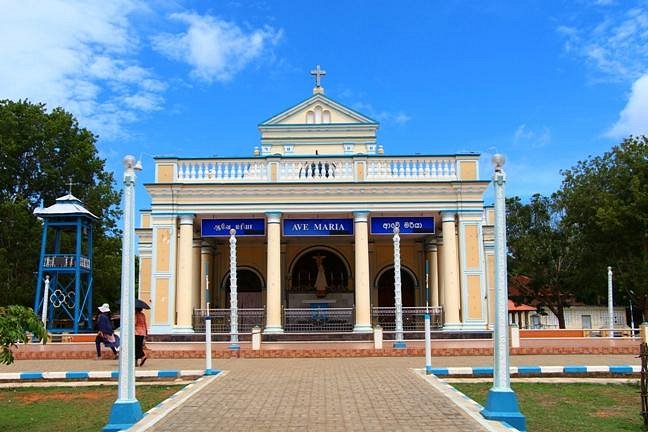
The complex centres on the Maha Devalaya, a shrine to the deity Kataragama — identified variously as the Hindu god Murugan/Skanda, as a Bodhisattva, and as a powerful local god — whose influence cuts across the island's religious boundaries in a way almost nothing else does. Sinhalese Buddhists, Tamil Hindus, Sri Lankan Muslims and Vedda indigenous communities all have their own shrines and traditions here, drawn by the same reputation for efficacy in answering prayers and granting wishes.
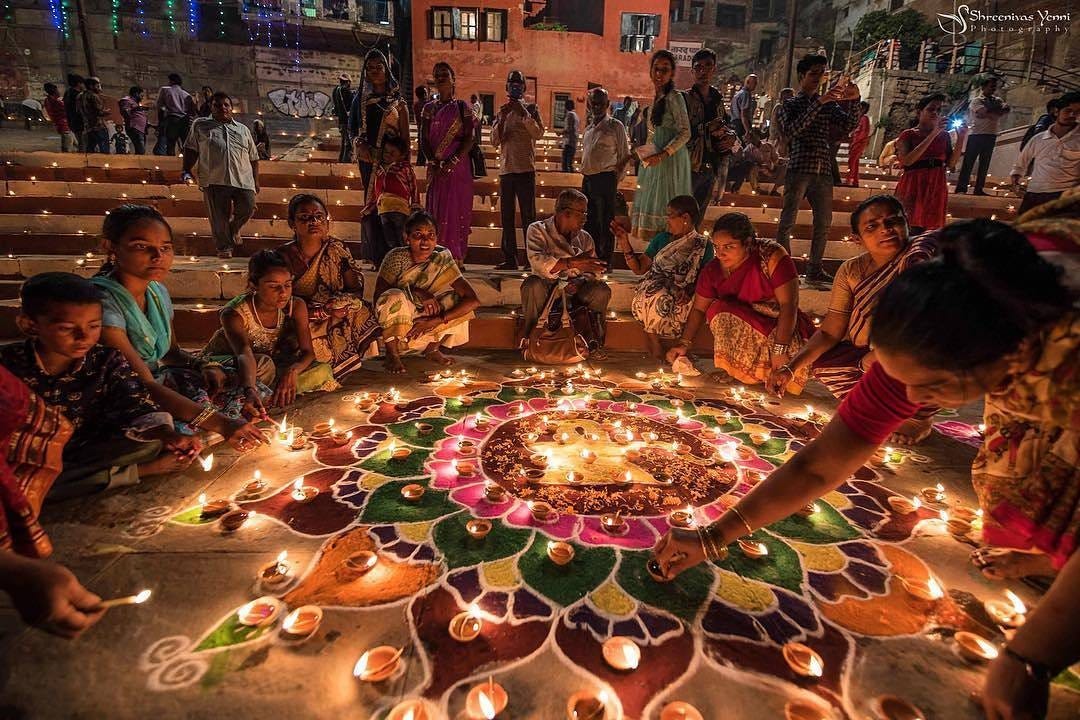
The annual Kataragama Esala festival in July and August is when things intensify dramatically. Devotees undergo kavadi — bearing decorated frames attached to the body through piercings of the skin — and fire-walking across hot coals, acts of extreme devotion to demonstrate faith and fulfil vows made during times of crisis. The atmosphere is not frightening so much as deeply concentrated: people in states of trance, surrounded by drumming, incense and the silent attention of thousands of observers.
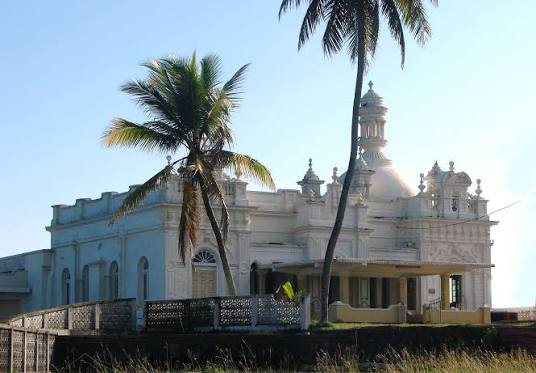
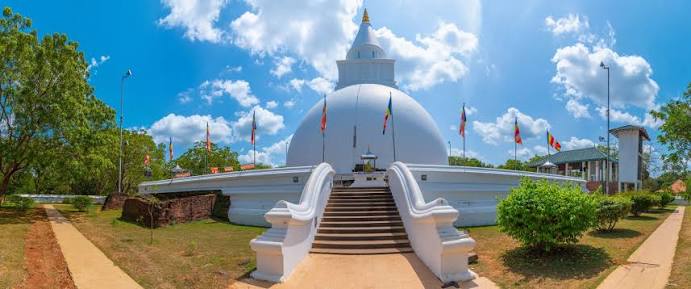
Outside festival season the site is calmer but still active. Morning and evening puja rituals at the Maha Devalaya draw a steady stream of worshippers, and the nearby mosque and Kiri Vehera stupa (one of the most ancient in the region, though its history is debated) complete the picture of genuine multi-faith coexistence at a single location.
Kataragama pairs naturally with a safari at Yala National Park, fifteen minutes away — though the two experiences could hardly be more different in character.