Sri Lanka's position, close to the southern tip of India and sitting directly athwart the sea lanes linking the Middle East to Southeast Asia and China, made it a natural crossroads centuries before anyone in Europe had heard of it. Nowhere illustrates this better than Mantai, an ancient port on the island's northwestern coast whose ruins have yielded pottery, coins and glass from an astonishing spread of ancient civilisations.
A harbour built by geography
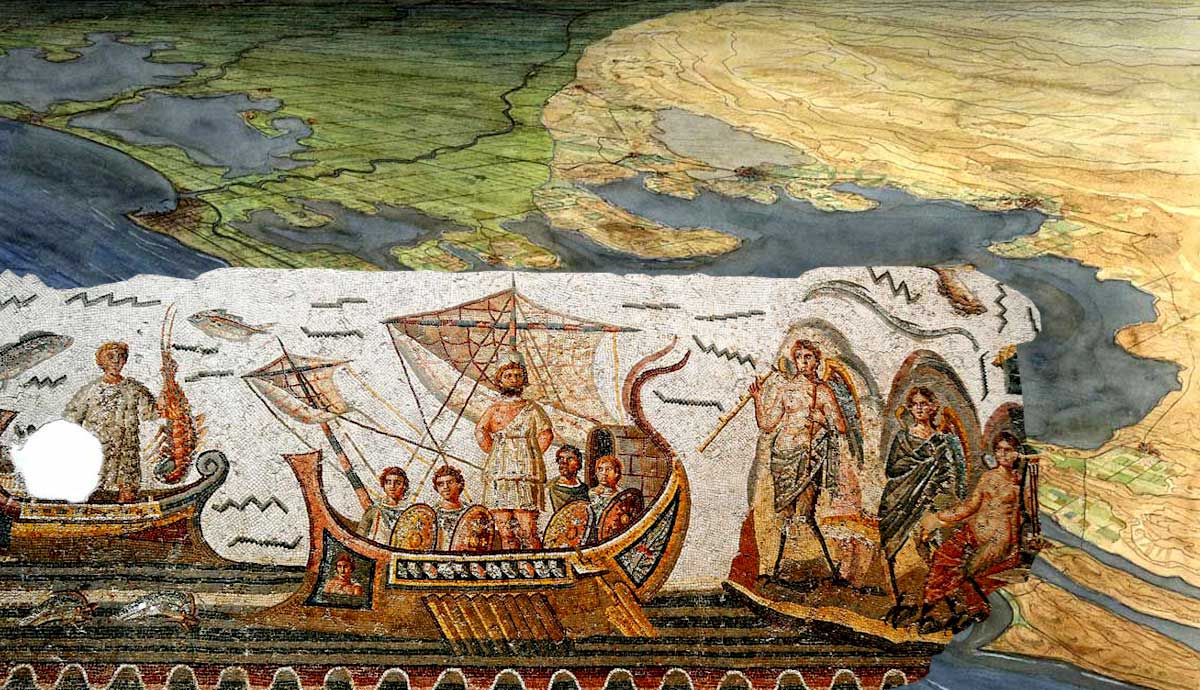
Mantai sits near the mouth of the Malwathu Oya, close to modern Mannar, at a point where a natural harbour and the proximity to South India made it an obvious node for maritime trade. Classical geographers writing in Greek and Latin referred to the island under various names - Taprobane among them - and described a wealthy, populous land reachable by sea, information that almost certainly came filtered through traders who had themselves passed through ports like Mantai.
What the excavations found
Archaeological work at the site has turned up material spanning an extraordinary range of origins and periods: Roman coins and glassware, Sassanian Persian ceramics, pottery from the Mediterranean world, and later Chinese celadon and porcelain. Layered beneath all of this is evidence of continuous occupation stretching back well over two thousand years, with the site's importance peaking through the first millennium CE as Indian Ocean trade networks matured.
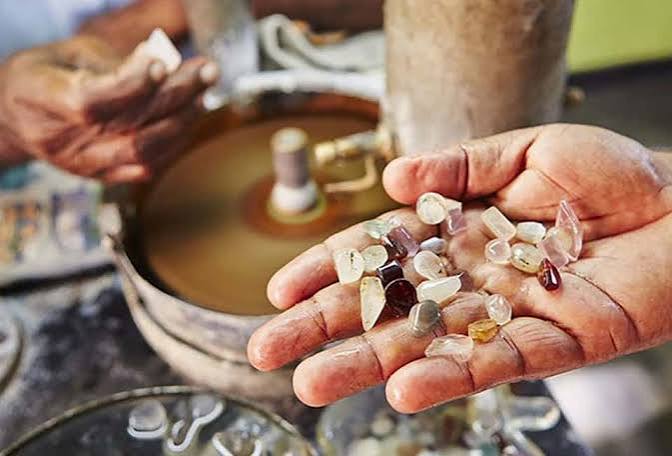
This was not a passive trading post simply receiving goods. Sri Lanka exported gemstones, pearls, spices - particularly cinnamon, unique to the island in its finest form - ivory and elephants, in exchange for the glass, metals, ceramics and coin that archaeologists keep finding in the ground.
The written record confirms the trade
This isn't only an archaeological story. Classical writers including the Greek geographer Ptolemy and various Roman sources describe trade with the island, and later travellers left even more vivid accounts. The Chinese Buddhist monk Fa-Hien, who spent roughly two years on the island in the early 5th century CE en route between India and China, recorded a wealthy and devout Buddhist kingdom actively engaged in maritime commerce, describing merchant ships and goods moving through its ports.
Centuries later, the Moroccan traveller Ibn Battuta and the Venetian merchant Marco Polo both wrote about the island during their respective journeys through Asia, describing its gems, its sacred mountain, and its place within the wider trading world of the Indian Ocean - evidence that Sri Lanka's reputation as a wealthy island worth visiting persisted across cultures and centuries, long before any European colonial ambitions arrived.
Godavaya: an even older harbour
On the island's southern coast, the ruins at Godavaya represent one of the oldest identified ports in South Asia, with archaeological and inscriptional evidence pointing to organised maritime trade and customs administration dating back over two thousand years. A shipwreck discovered offshore near Godavaya, dated to roughly the 2nd century BCE, is among the oldest scientifically excavated shipwrecks in the world, its cargo including iron ingots and glass ingots destined for onward trade - direct physical evidence of the commercial networks that written sources only describe.
Why this matters for understanding Sri Lanka
It is tempting to think of ancient Sri Lanka purely through its inland monuments - the stupas, the reservoirs, the royal cities of the dry zone. But the island's civilisation was never isolated. Its wealth, its cosmopolitan court cultures, and even its early exposure to religious and artistic ideas from India, Persia and beyond arrived substantially through ports like Mantai and Godavaya. The great inland cities were fed, in a real economic sense, by the sea.
Little of Mantai remains visible above ground for the casual visitor today - it is largely a site for specialists and ongoing archaeological research rather than a developed tourist attraction. But the story it tells reshapes how the rest of Sri Lanka's ancient history should be read: not as a self-contained island civilisation, but as one of the genuine hubs of the ancient globalised world.