The Dutch arrived in Sri Lanka in the early 17th century as allies of the Kandyan Kingdom against the Portuguese, and stayed until the British displaced them in 1796. In their century and a half on the island they built with characteristic Dutch efficiency — warehouses, churches, administrative buildings, courthouses, canals and fortifications — leaving an architectural legacy concentrated most visibly in Galle Fort on the southwest coast.
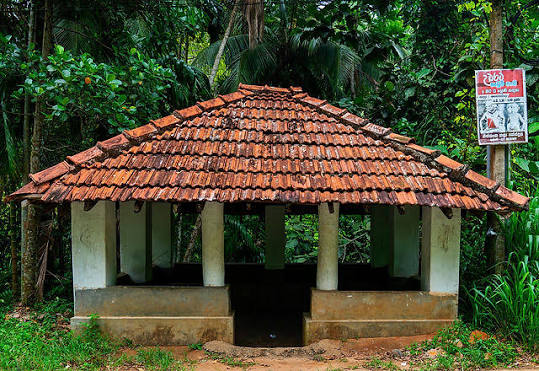
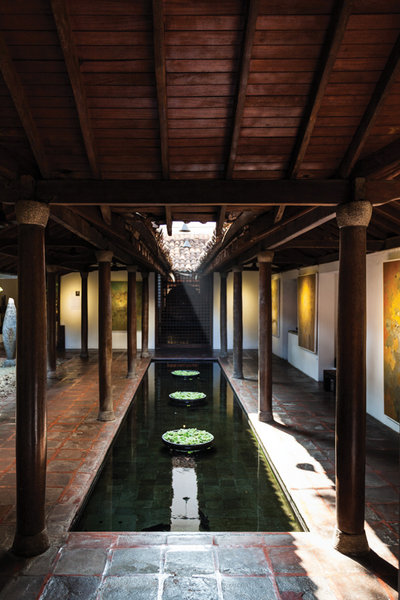
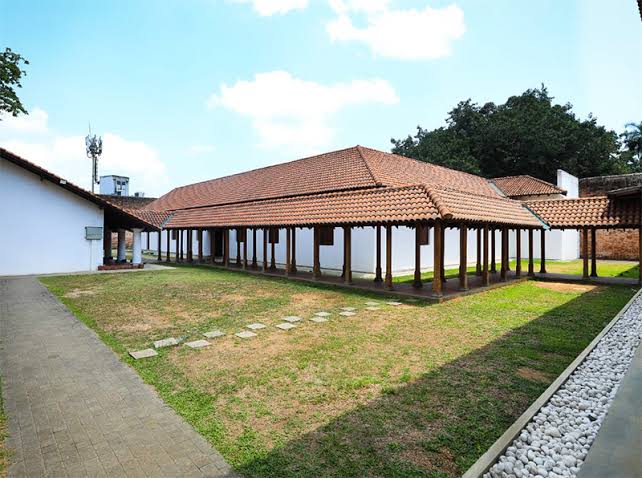
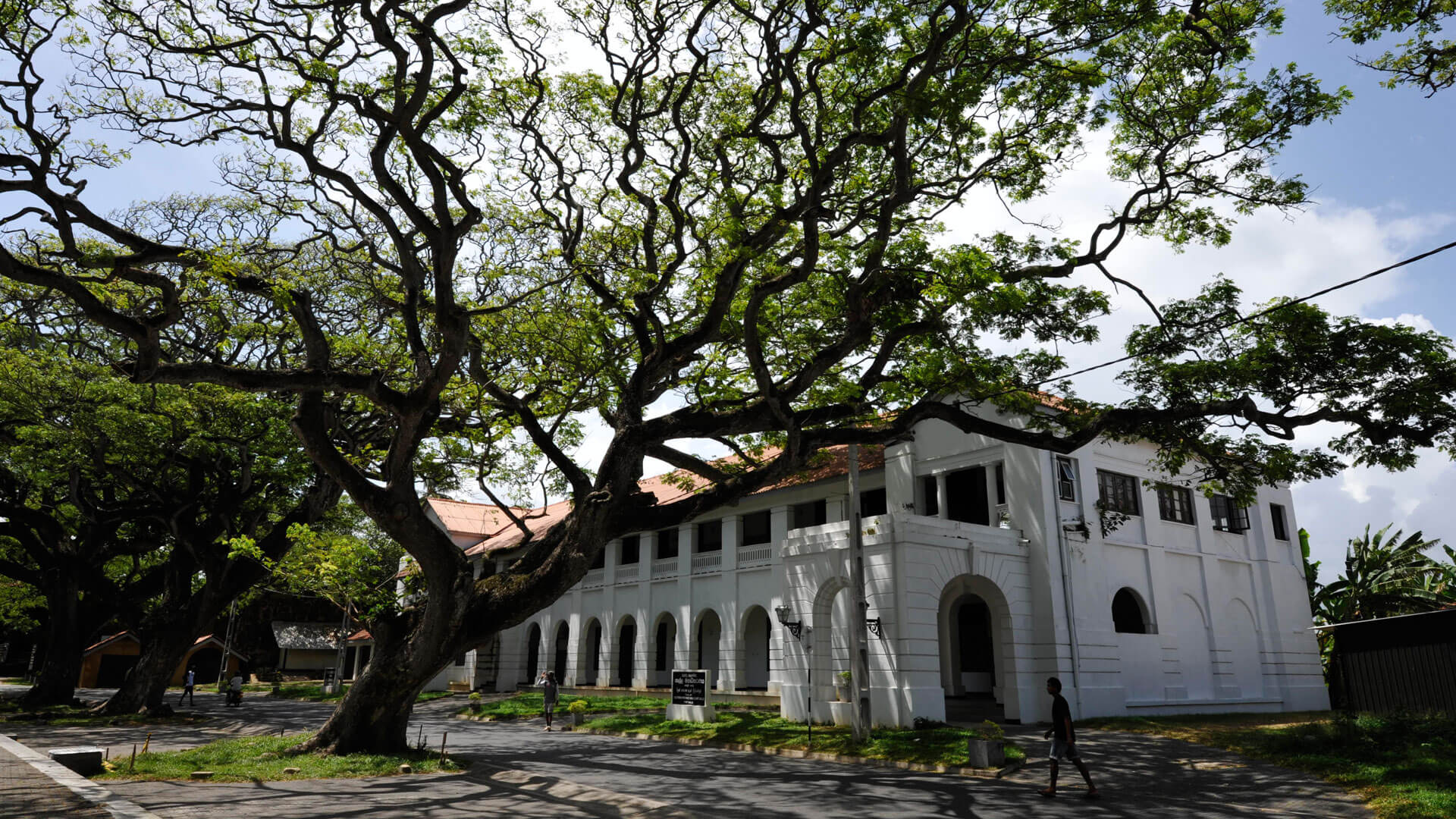
Dutch colonial buildings in Sri Lanka have a distinctive character: thick walls of coral stone and brick that keep interiors cool, high-ceilinged rooms, wide verandahs on the street side, interior courtyards for light and air, and red Flemish pantile roofing. Windows are typically tall and louvred, maximising airflow while minimising direct sun. The overall aesthetic is practical, orderly and comfortable rather than ornate.
Galle Fort, inscribed as a UNESCO World Heritage Site, preserves the most complete collection of Dutch-era buildings in Asia outside the Netherlands' Southeast Asian territories. Walking its streets — the Dutch Reformed Church with its tombstone-flagged floor, the old VOC warehouse now housing the National Maritime Museum, the colonial-era mansions with their elaborate fanlights — is a walk through a single coherent urban environment in a way that colonial-era Colombo, more extensively redeveloped, cannot match.
In Colombo, the most significant Dutch survival is the Wolvendaal Church (1757), a cruciform-plan Protestant church in the Pettah district, one of the oldest Dutch churches in Asia, with a remarkable interior of carved wooden furniture and colonial-era tombstone floors. It is still an active congregation.
What makes Dutch colonial architecture in Sri Lanka interesting is not its grandeur — it is a modest, workmanlike tradition compared to the baroque excess of some colonial building elsewhere — but its intelligence. These buildings were designed for the tropics by people who needed to live and work in them comfortably, and they succeeded.