Geoffrey Bawa, born in Colombo in 1919 and active as an architect from the late 1950s until a stroke ended his working life in 1998, is one of the most influential architects of the 20th century to have spent his entire career in a single small country. His work is increasingly studied internationally as one of the most coherent and successful attempts to develop a modern architecture specific to the tropics rather than simply imported from Europe.
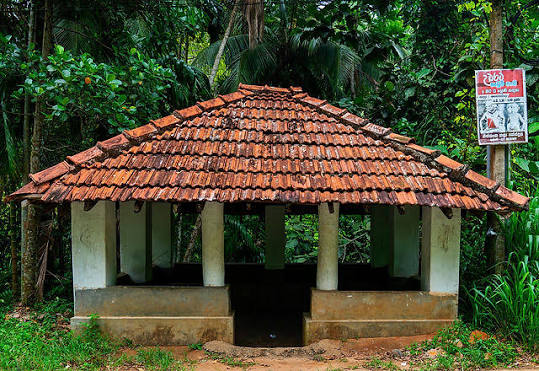
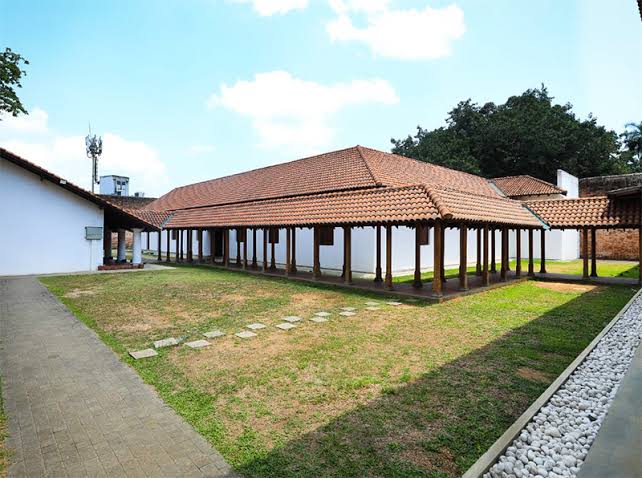
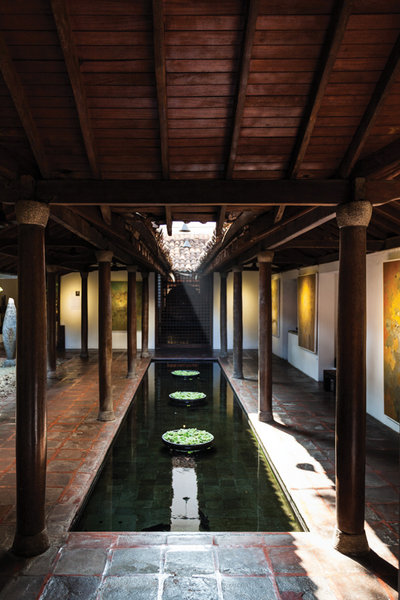
Bawa's signature is the dissolution of the boundary between inside and outside. His buildings typically have no walls where walls are not needed for structural or privacy reasons, replacing them with colonnades, screens, water features and landscaping that blur the transition from covered to uncovered space. Rooms flow into courtyards, courtyards into gardens, gardens into the surrounding landscape. Natural light and air move through the buildings the way they move through the land itself.
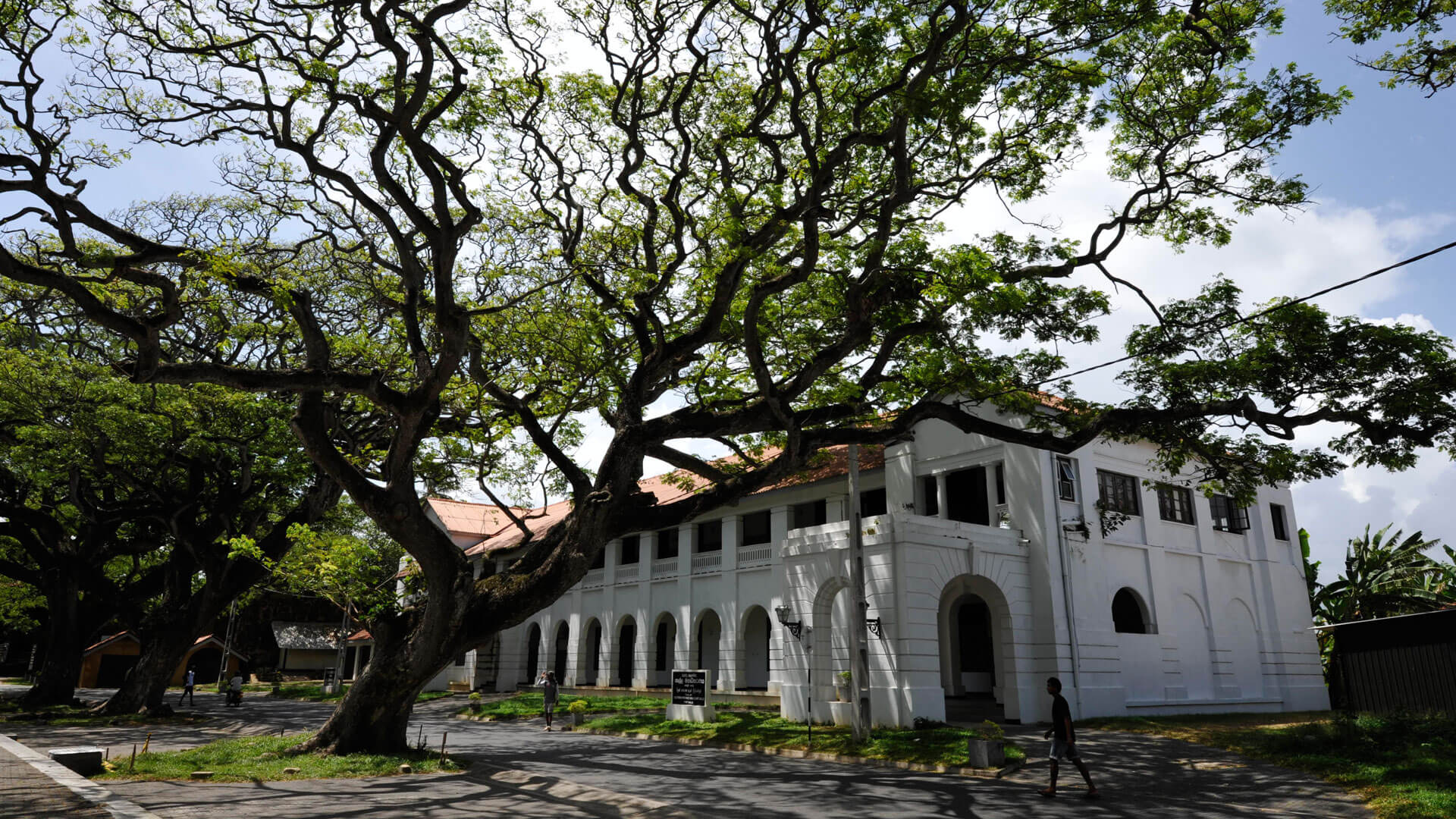
He drew deliberately on Sri Lanka's own architectural traditions — the open-plan layouts of ancient monastic complexes, the verandah culture of the walawwa, the Kandyan balance between indoor and outdoor — while using reinforced concrete and contemporary structural techniques. The result is buildings that feel both ancient and precisely of their time.
His major works include the Sri Lanka Parliament building on an artificial island in Kotte, the Ruhunu University campus at Matara, and a series of landmark hotels — Triton, The Lighthouse, Kandalama — each of which reshaped how resort architecture in tropical countries was imagined. Lunuganga, his own country estate near Bentota, is the most personal expression of his ideas: a garden and a cluster of adapted buildings that he reworked continuously for nearly fifty years.
Lunuganga is open to visitors and should be on any architecture-minded traveller's itinerary. It is one of the finest designed landscapes in Asia.